

About Yale
"Lux et Veritas" — Light and Truth
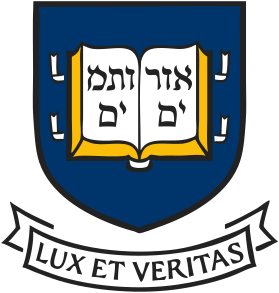
Yale University
Founded 1701 · New Haven, Connecticut · Ivy League
Yale University is a private Ivy League research university and the third-oldest institution of higher education in the United States. Established in 1701 as the Collegiate School, it was renamed in 1718 in honor of Welsh merchant Elihu Yale. The university's coat of arms bears the Hebrew words Urim ve'Thummim on an open book, with the Latin motto Lux et Veritas ("Light and Truth") inscribed below.
Yale School of Medicine
Founded 1810 · 6th Oldest Medical School in the U.S.
Yale School of Medicine was chartered in 1810 and formally opened in 1813 with four professors and 37 students. It pioneered the "Yale System" of medical education in the 1920s—eliminating traditional grades, class rankings, and mandatory attendance—fostering independent thinking and humane physicians. In 1916, Yale became one of the first elite medical schools to admit women.
Landmark breakthroughs include the first effective cancer chemotherapy (1942, Goodman & Gilman), the first neonatal intensive care unit (1960s, Louis Gluck), and the insulin pump (1970s, Tamborlane & Sherwin). Yale School of Medicine ranked 3rd in NIH research funding in FY24 with $985M in sponsored research.
Department of Internal Medicine
Section of Cardiovascular Medicine
The Department of Internal Medicine traces its origins to Nathan Smith, MD, recruited in 1813 to deliver the first lectures on physic, surgery, and obstetrics at Yale. Today, the department encompasses over 715 full-time faculty, 400+ staff, and 560+ residents, fellows, and trainees across multiple sections. Under the leadership of Gary V. Désir, MD—the first African American department chair at Yale School of Medicine—the department has strengthened its commitment to mentorship, collaborative excellence, and health equity.
The Section of Cardiovascular Medicine is home to world-class programs in clinical cardiology, cardiac imaging, heart failure, electrophysiology, and cardiovascular data science, integrating cutting-edge AI and machine learning into patient care and research.
Yale University
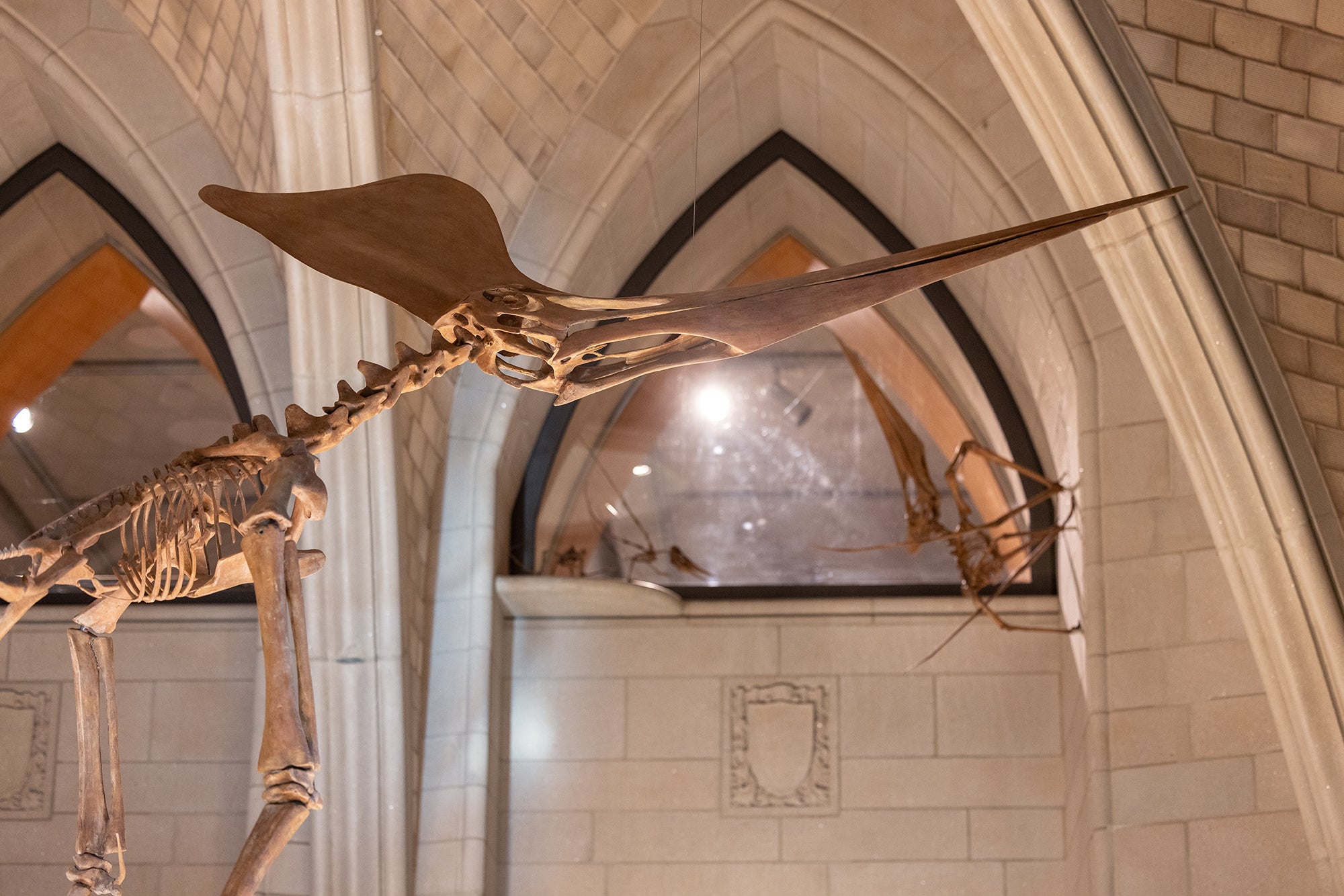
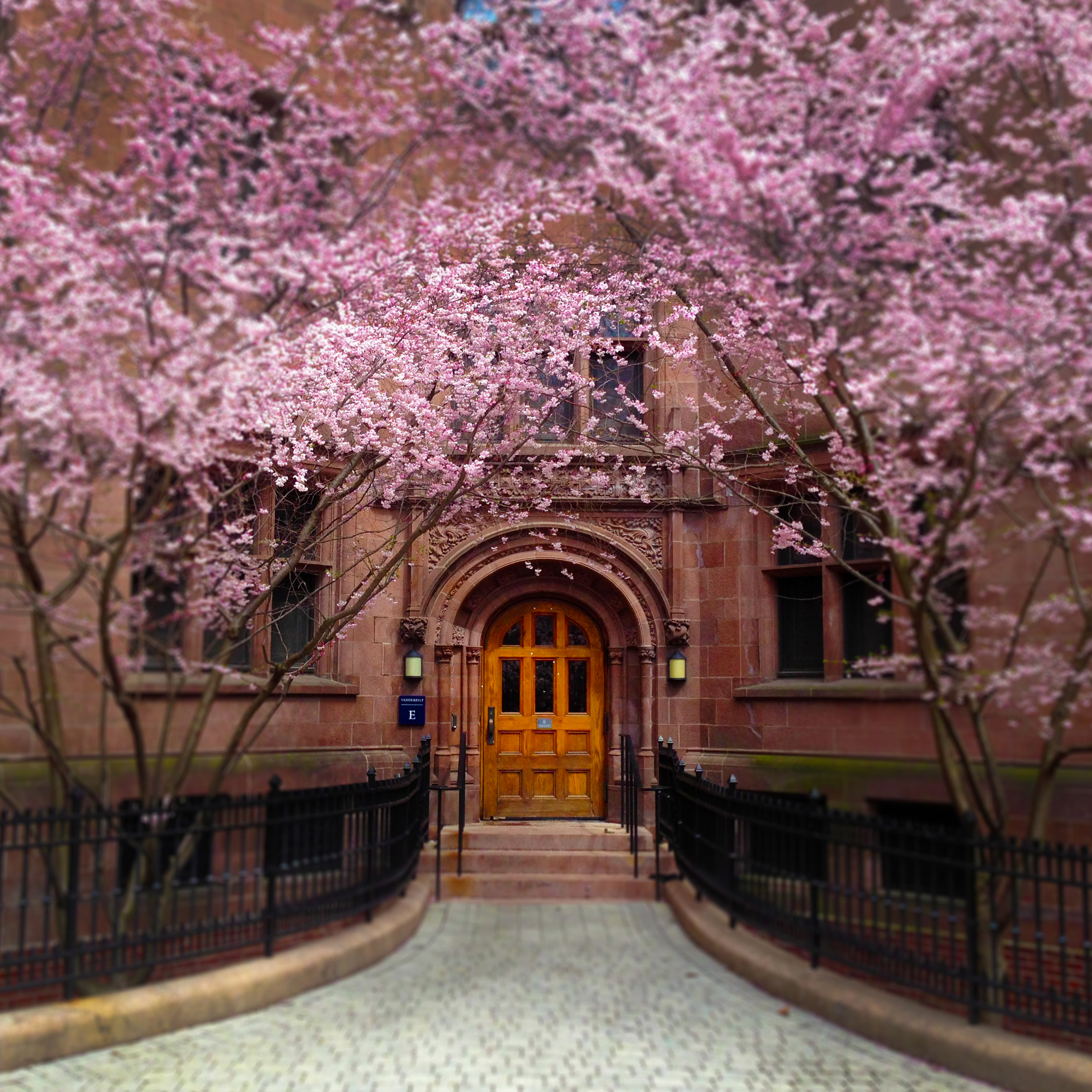
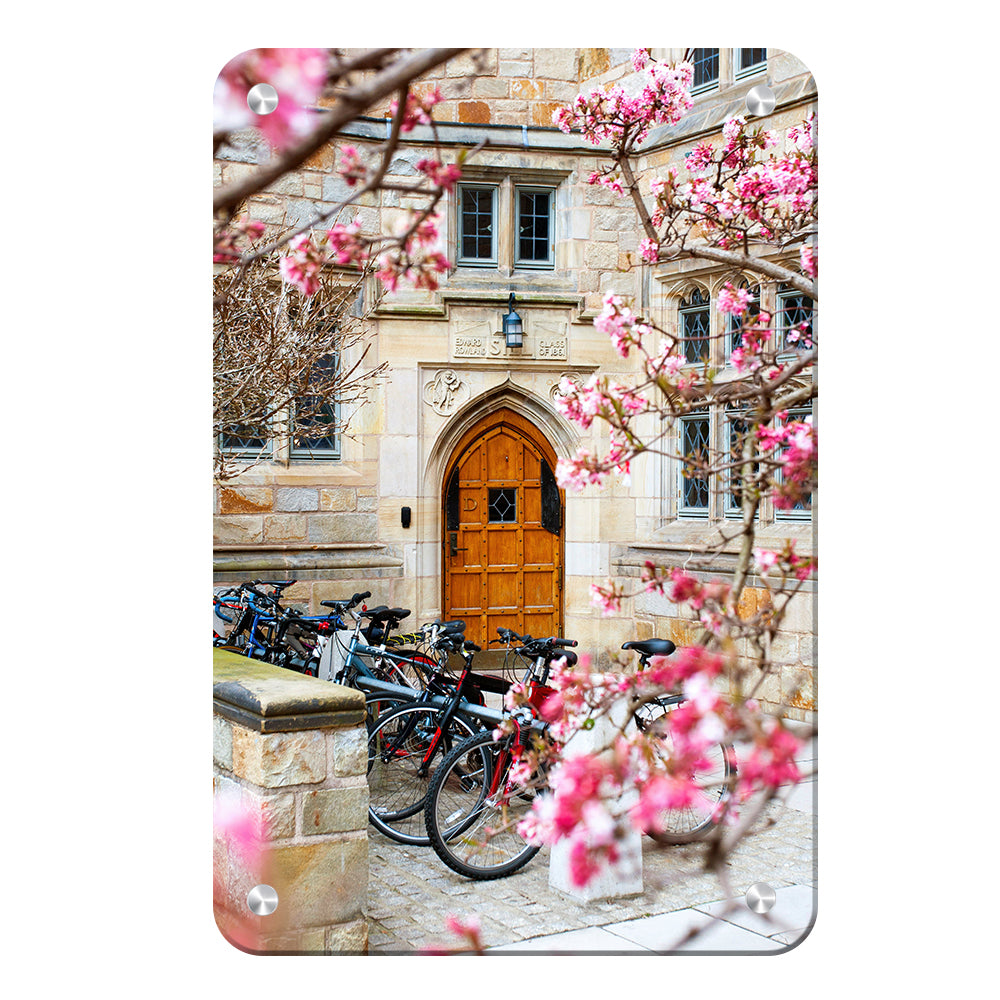
Beautiful moments at one of the world's most iconic campuses — where tradition meets innovation.
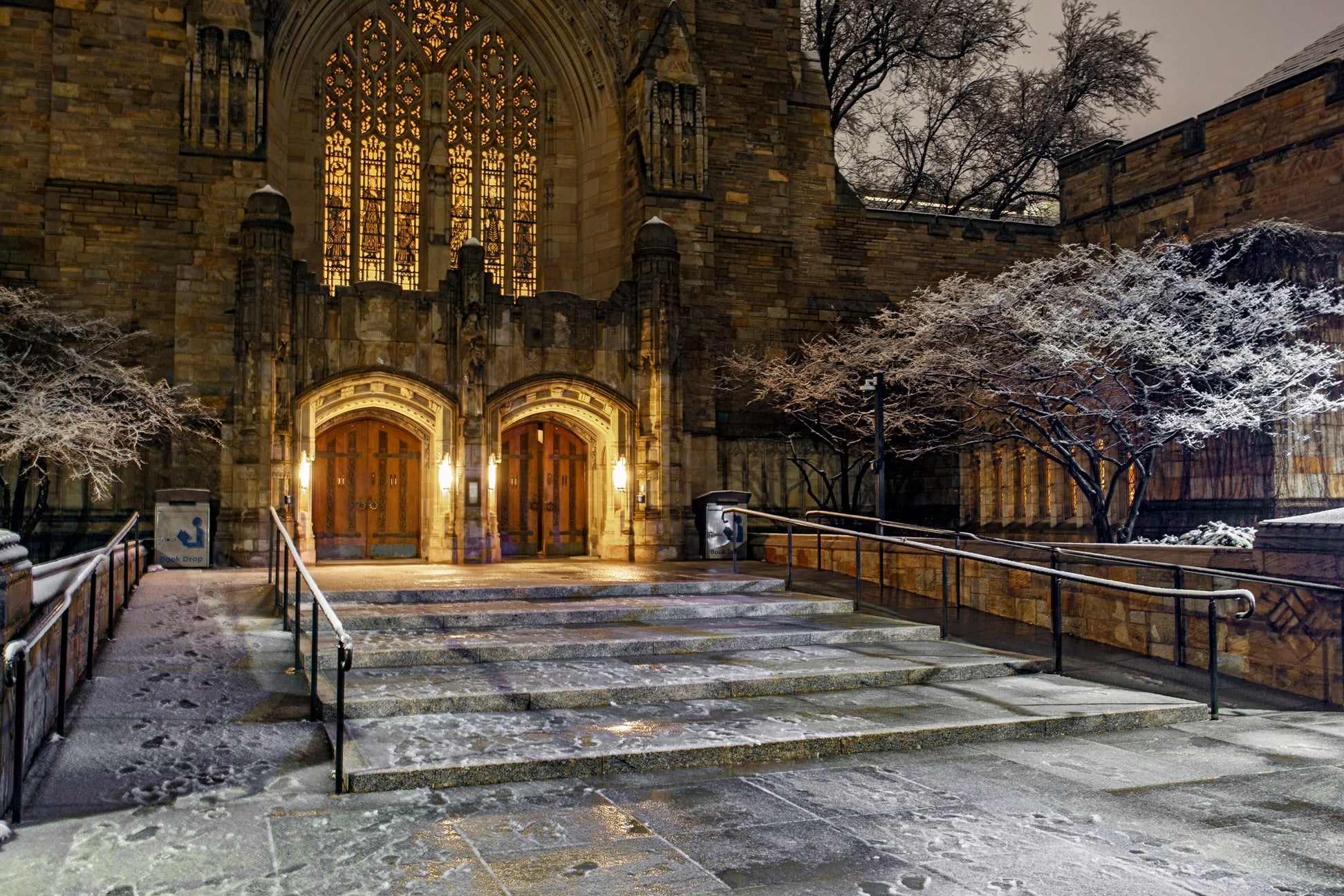









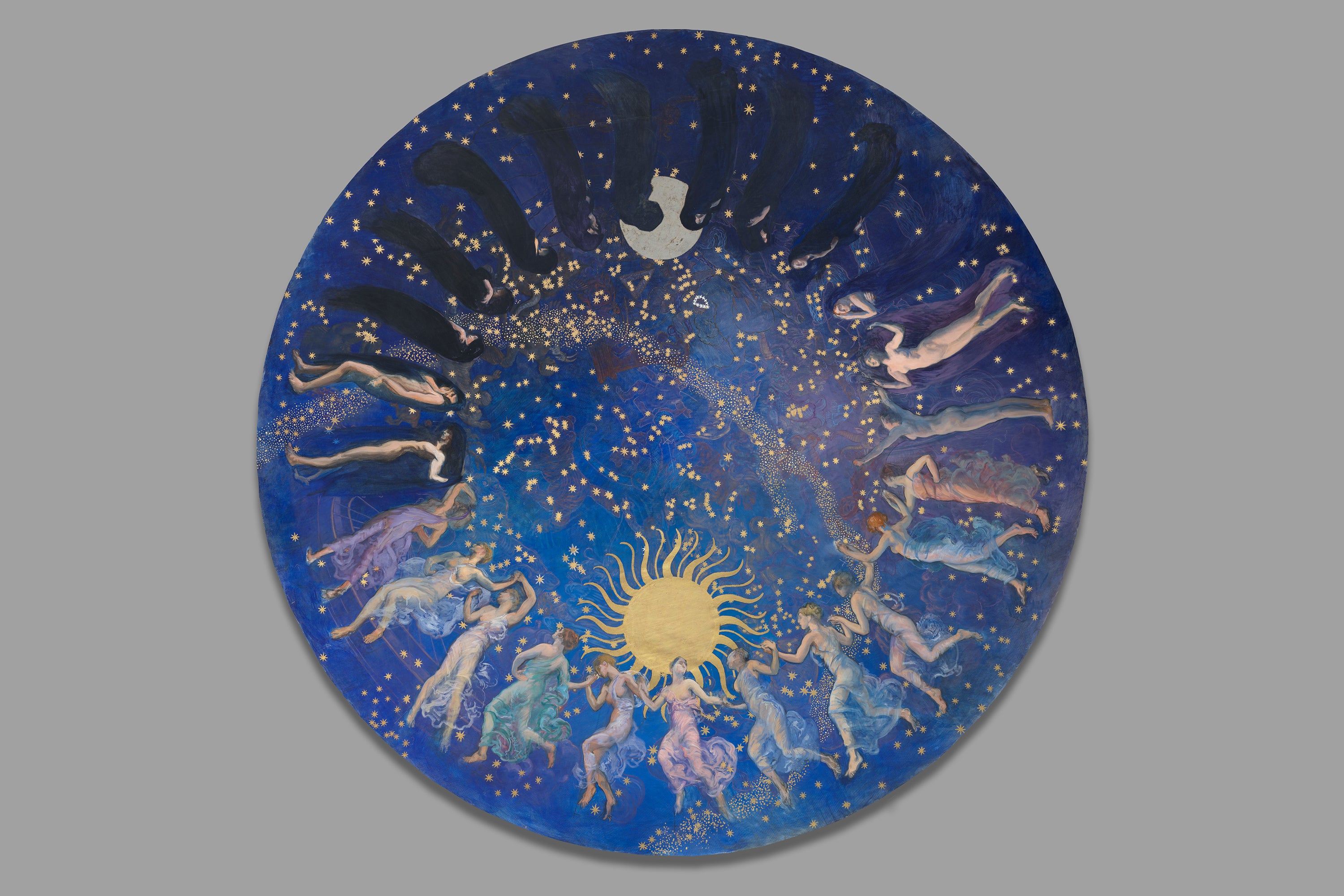








Photos credited to Yale University.